Photo by Pixabay on Pexels.com
Describe three different ways that you could use Web 2.0 tools in your
teaching.
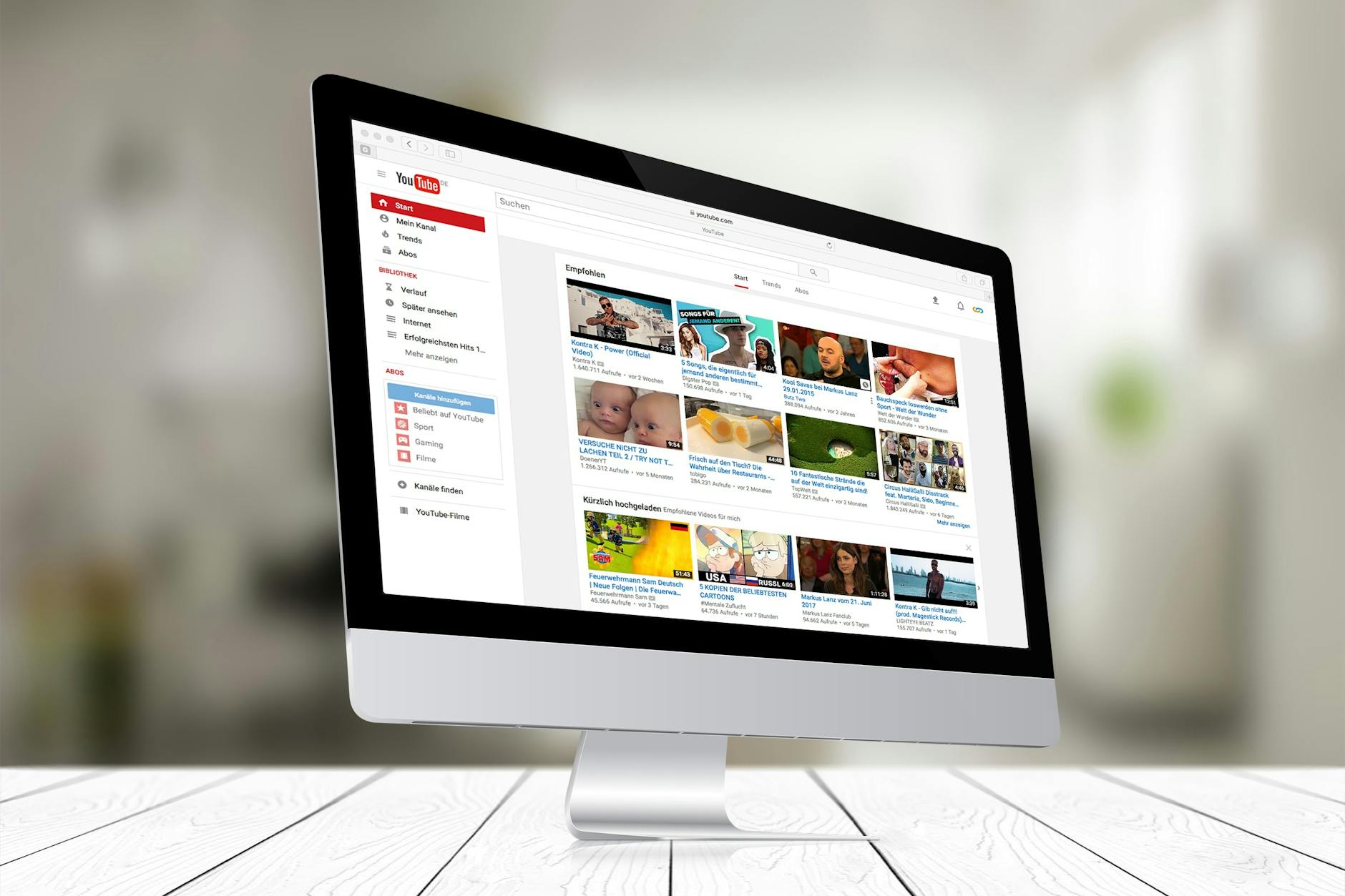
Research has found that the use of Web 2.0 technologies in the classroom can have an overall positive impact on student learning (Hew & Cheung, 2012). However, the positive impacts relate heavily upon how they are used to support and help students conceptualise the information (Hew & Cheung, 2012). Web 2.0 technologies can be used in a variety of ways to support learning (Hew & Cheung, 2012) which I personally have found effective in my own experiences. This includes online reflecting or presenting of thoughts through resources such as blogs or websites, and online collaboration such as Google docs or Padlet, and repository websites such as audio and video recordings (Hew & Cheung, 2012). Repository websites include use of podcasts and sites such as YouTube that allow students to make video and audio recordings (Hew & Cheung, 2012).
REFERENCE
Hew, K.F., Cheung, W.S. (2012). Use of Web 2.0 Technologies in K-12 and Higher Education: The Search for Evidence-based Practice, Educational Research Review. Retrieved from doi: http://dx.doi.org/10.1016/j.edurev.2012.08.001
The image above is sourced from the WordPress free images “pexels” feature.
 Melinda's Blog
Hi Melinda,
There are so many Web 2.0 tools available for teachers to use to enhance learning (Hew & Cheung, 2013). With so much choice and so many possibilities, I agree that it really is important that as teachers we use these tools and have a clear idea of how they are aiding learning (Hew & Cheung, 2013). Thanks for sharing what has worked for you.
Sam Merkel
References
Hew, K. F., & Cheung, W. S. (2013). Use of Web 2.0 technologies in K-12 and higher education: The search for evidence-based practice. Educational Research Review, 9, 47-64.
LikeLike
Hi Melinda,
Web.20 tools can enhance the learning for students in schools (Hew & Cheung, 2013). There are so many useful resources out there, it’s just a matter of finding them! Web 2.0 provides an avenue for collaboration, between peers or teachers (Kidd, 2012). I agree, that although there are some negatives to using ICT tools, the positives much outway any negatives! Thank you for sharing!
Alysha
references
Hew, K.F., Cheung, W.S. (2012). Use of Web 2.0 Technologies in K-12 and Higher Education: The Search for Evidence-based Practice, Educational Research Review. Retrieved from doi: http://dx.doi.org/10.1016/j.edurev.2012.08.001
Kidd, W. (2012). Framing pre-service teachers’ professional learning using Web2.0 tools: positioning pre-service teachers as agents of cultural and technological change. Professional Development in Education. Retrieved from Taylor & Francis Online: https://www.tandfonline.com/doi/full/10.1080/19415257.2012.762419?casa_token=5mshYzfZu6oAAAAA:eKHU-9lb7IrcVZEP19cswIrR7PfUsUFychDP4ZzYdcHSGcPLW07KTrMZtb_eBh2Z5tG_8r2iJLKX
LikeLike